


Lightning Arrester Design (IS 2309) + Free Excel Calculator 2026

Learn lightning arrester design, calculation & specifications as per IS 2309 & NBC. Use free Excel sheet for risk analysis and system design.
Lightning protection is a critical requirement for buildings, especially in India where lightning density is high in many regions. A properly designed lightning arrester system protects structures, equipment, and human life.
In this guide, you will learn:
- Lightning arrester design calculation
- Specifications as per Indian standards
- Pricing & material selection
- ⚡ Free Excel sheet for risk analysis & design
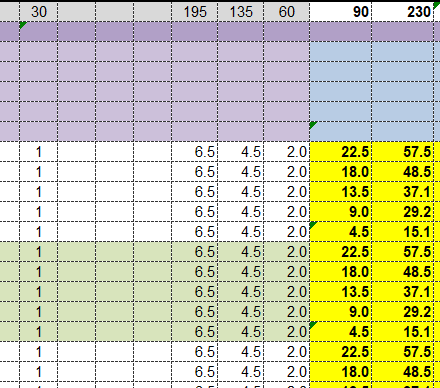
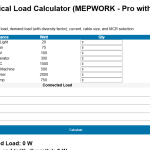
📥 Free Lightning Arrester Calculation Excel Sheet
👉 Download Lightning Risk Factor & Down Conductor Excel Sheet (IS 2309 Based)
✔ Automatic calculation
✔ Risk analysis included
✔ Down conductor design
✔ Ready for site engineers
⚡ What is Lightning Arrester?
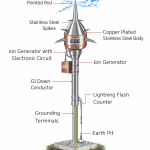
A lightning arrester is a device installed on buildings to intercept lightning strikes and safely discharge current into the earth.
📐 Lightning Arrester Design as per IS & NBC
As per IS 2309 and National Building Code of India, design must follow:
- Risk assessment before installation
- Minimum 2 down conductors
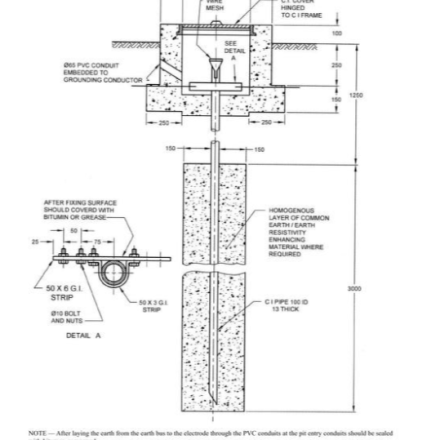
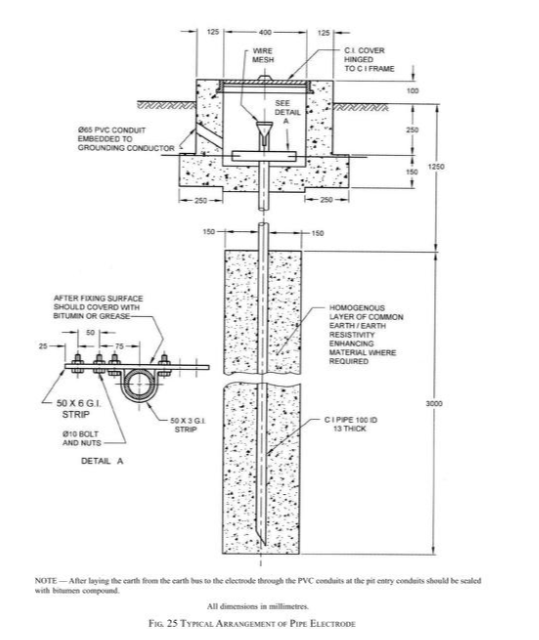
- Proper earthing system
- Bonding of all metal parts
🧮 Lightning Arrester Design Calculation
🔹 Step 1: Collection Area
Ac=L×W+2H(L+W)+3.14×H2
🔹 Step 2: Probability of Lightning Strike
P=Ac×Ng×10−6
🔹 Step 3: Risk Factor
R=P×(AtimesBtimesCtimesDtimesE)
🔹 Decision
- If R < 10⁻⁵ → No protection required
- If R ≥ 10⁻⁵ → Lightning protection required
⚙ Lightning Arrester Specifications (India)
📊 Key Specifications:
- Material: Copper / GI
- Height: Based on protection radius
- Earthing resistance: < 10 ohms
- Down conductor spacing: As per IS
🔌 Types of Lightning Arresters
🔹 Conventional Lightning Arrester
- Franklin rod
- Cost-effective
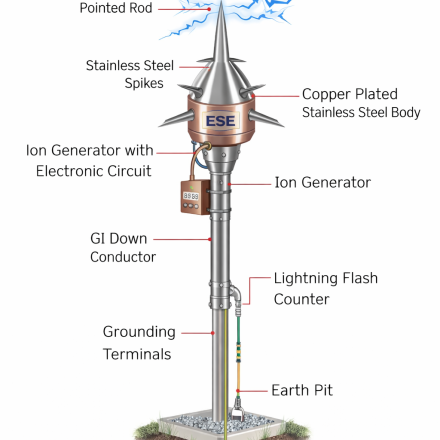
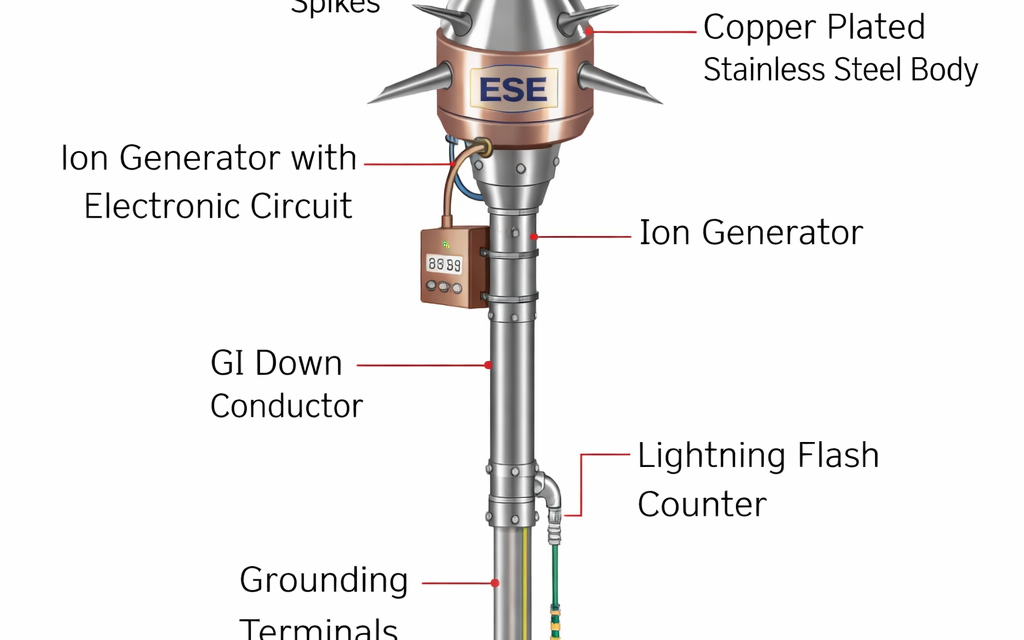
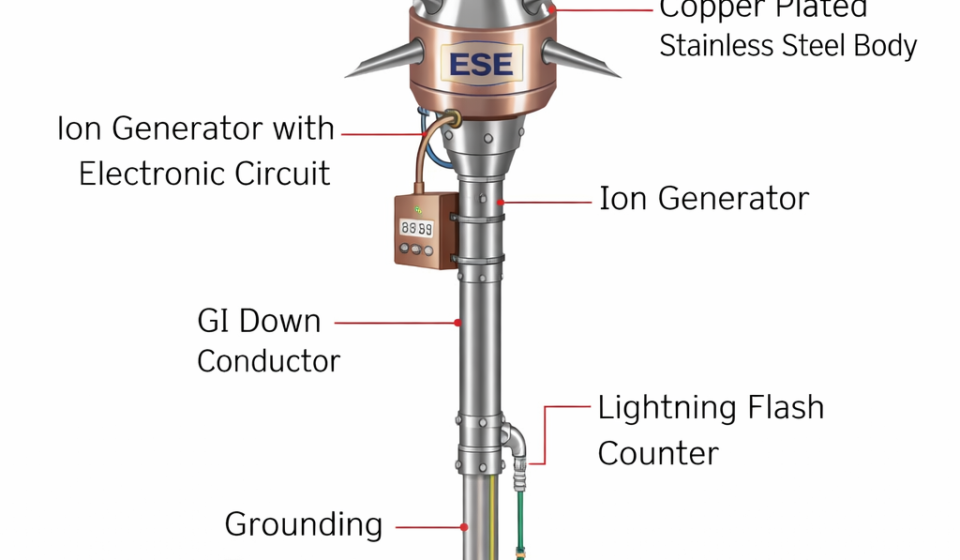
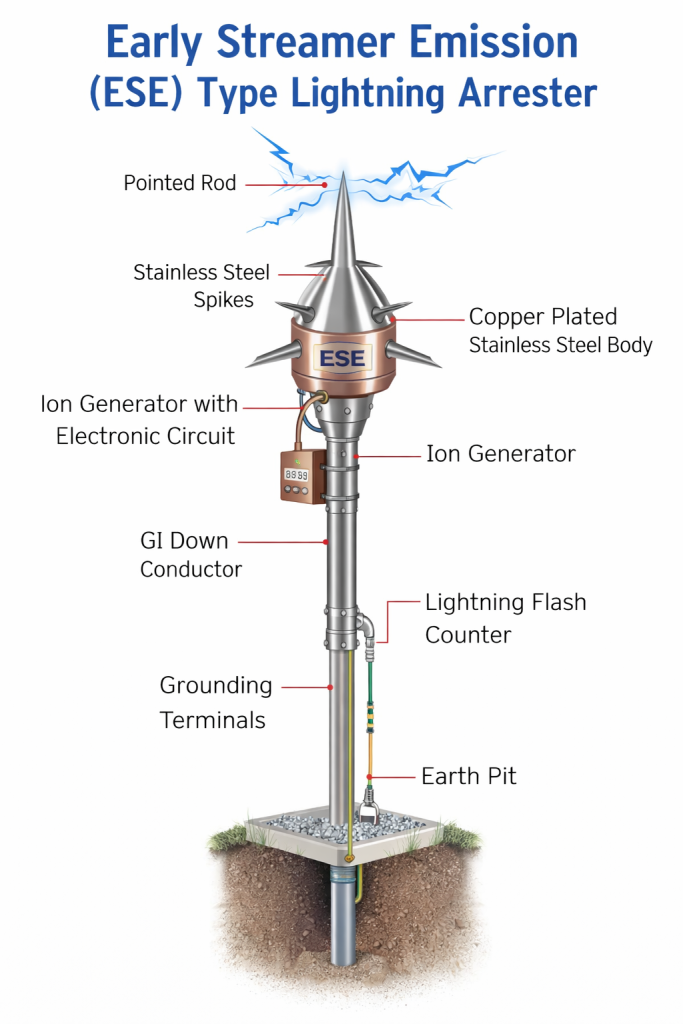
🔹 ESE Lightning Arrester
- Advanced technology
- Larger protection area
💰 Lightning Arrester Price in India
Approximate pricing:
- Conventional: ₹3,000 – ₹10,000
- ESE type: ₹15,000 – ₹80,000
👉 Price depends on:
- Material
- Brand
- Protection radius
🧱 Lightning Arrester Materials
- Copper
- GI (Galvanized Iron)
- Aluminum
👉 Copper is best for conductivity
🏗 Lightning Arrester for Buildings
Used in:
- Residential buildings
- Commercial towers
- Industrial plants
👉 Mandatory for high-rise structures
📊 Down Conductor Calculation (IS 2309)
Condition 1:
- 1 for first 100 m²
- +1 for every 400 m²
Condition 2:
- 1 for every 20 m perimeter
👉 Final = Higher value
📥 Use Excel for Calculation
Manual calculation is complex.
👉 Use our Excel sheet to:
- Calculate risk instantly
- Design system accurately
- Save time
❌ Common Mistakes
- Ignoring risk factor
- Improper earthing
- Wrong spacing
- No bonding
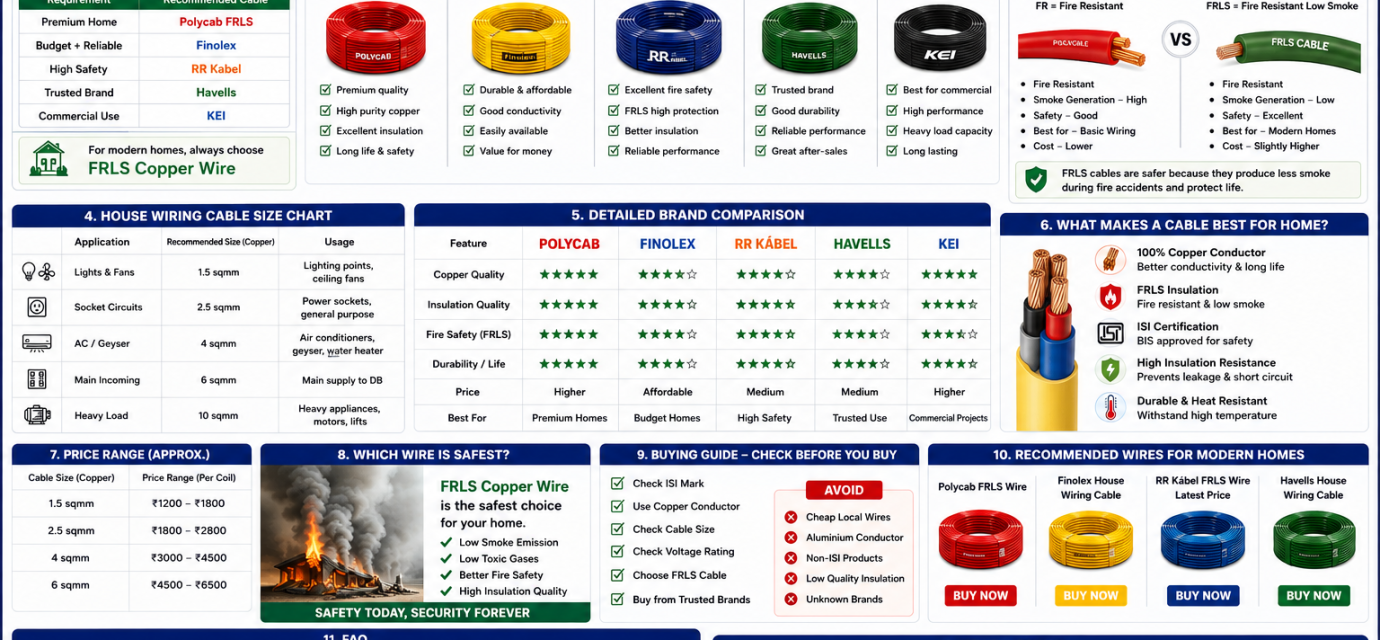
🏭 Best Lightning Arrester Brands
❓ FAQ (RankMath Boost)
What is lightning arrester rating calculation?
It depends on risk factor, building size, and lightning density.
Which lightning arrester is best?
Copper-based ESE systems are most efficient.
Is lightning arrester required for home?
Depends on risk value calculation.
What is lightning arrester insulator?
It isolates conductor from structure to prevent current leakage.
🎯 Conclusion
Lightning arrester design must follow IS standards and proper risk calculation. Using tools like Excel sheets ensures accurate and reliable design.
📢 Why Download from MEPWORK?
- Free DWG files
- Ready-to-use drawings
- Designed for engineers
- Updated as per industry standards
MEPWORK.IN is developed by an MEP engineering professional with hands-on experience in building services design and execution.
The platform is created to solve real-world engineering problems and provide practical tools for faster and more accurate project work.
Download free AutoCAD DWG files for MEP engineers including plumbing, HVAC, fire alarm, and electrical systems.
All drawings are ready to use and based on industry standards.
All resources are regularly updated as per latest standards (NBC 2016, IS Codes, NFPA, and 2026 industry practices).