










Earthing System as per NBC 2016: Complete Guide for Electrical Safety in India

Earthing System (or grounding) is one of the most critical components of any electrical system. As per the National Building Code of India 2016, proper earthing ensures human safety, equipment protection, and fire prevention in buildings.
In this detailed guide, you’ll learn earthing types, design rules, resistance values, and practical site tips based on NBC and IS 3043.
🔍 What is Earthing?
Earthing is the process of connecting electrical equipment to the ground so that fault current safely dissipates into the earth.
Why Earthing is Important:
- Prevents electric shock ⚠️
- Protects equipment from damage
- Reduces fire hazards
- Stabilizes voltage levels
📘 NBC 2016 Guidelines for Earthing
The National Building Code of India 2016 provides general safety requirements, while detailed design is governed by IS 3043.
Key NBC Earthing Rules:
- All electrical installations must be properly earthed
- Separate earthing for:
- Electrical systems
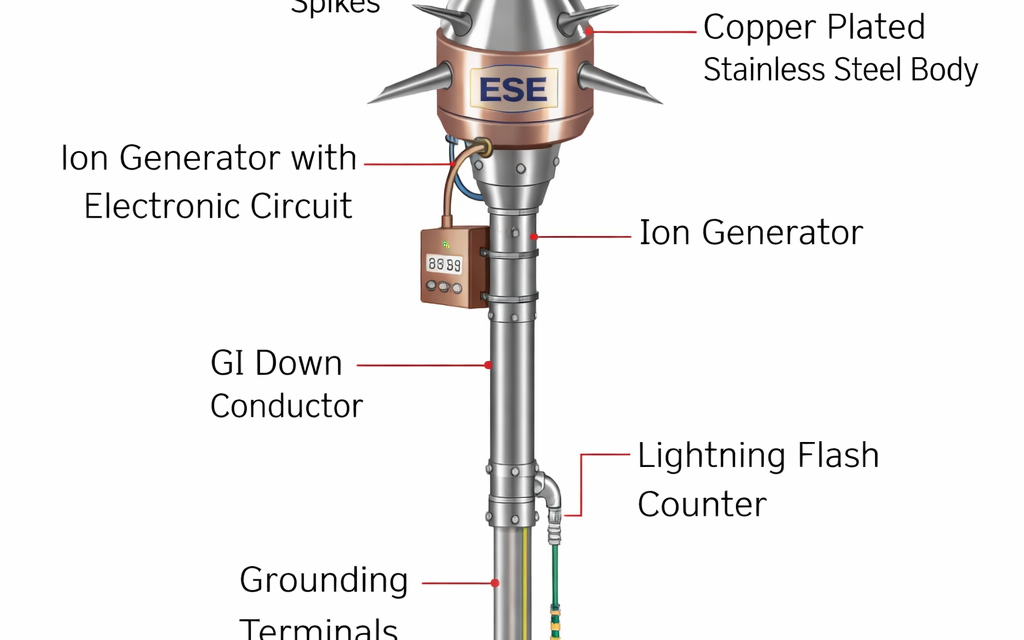
- Lightning protection
- Earthing system must ensure:
- Low resistance path
- Effective fault current discharge
- Metallic parts of equipment must be connected to earth
⚡ Types of Earthing Used in India
1. Plate Earthing


- Uses copper or GI plate buried in ground
- Suitable for residential buildings
- Requires regular watering
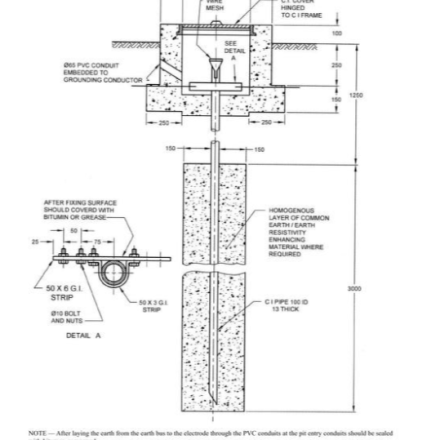
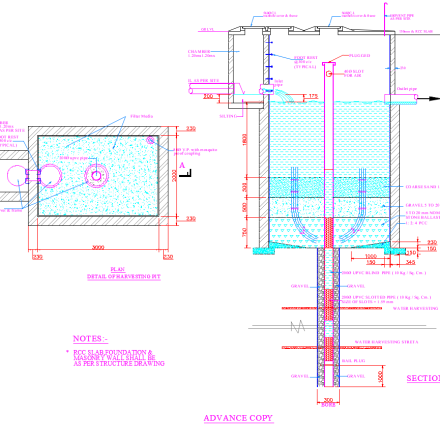
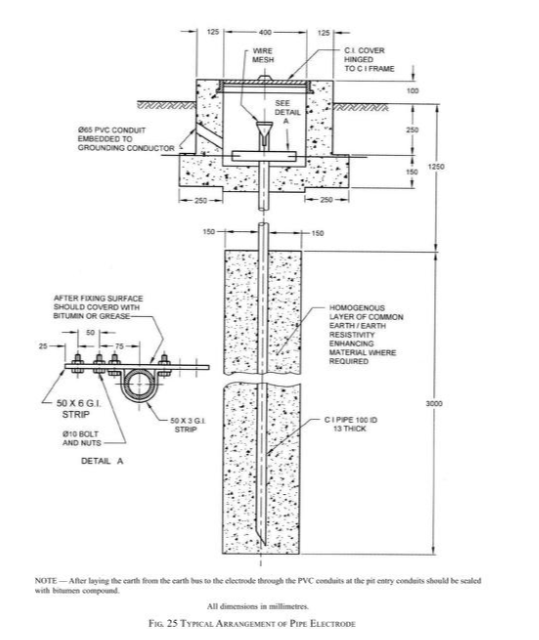
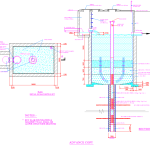
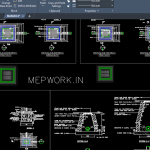
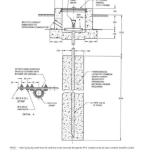
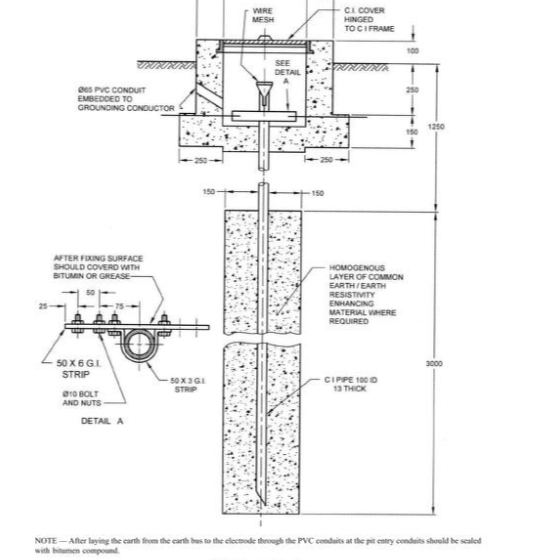
2. Pipe Earthing (Most Common)


6
- Uses perforated GI pipe
- Cost-effective and widely used
- Best for Indian soil conditions
3. Strip / Wire Earthing

7
- Used in industries and substations
- Provides large earthing network
📊 Earthing Resistance as per Standards
As per IS 3043:
| Installation Type | Recommended Resistance |
|---|---|
| Residential Buildings | ≤ 5 Ohms |
| Commercial Buildings | 1 – 2 Ohms |
| Substations | ≤ 1 Ohm |
👉 Lower resistance = Better safety
🧮 Earthing System Design (Step-by-Step)
Step 1: Soil Resistivity Test
- Measure soil resistance using earth tester
Step 2: Select Earthing Type
- Pipe earthing (most common)
- Plate earthing (for specific needs)
Step 3: Calculate Number of Earth Pits
Depends on:
- Load demand
- Soil condition
- Safety requirements
Step 4: Maintain Proper Spacing
- Minimum distance: 2–3 meters between pits
Step 5: Use Proper Materials
- Copper / GI electrodes
- Charcoal + salt for conductivity
🚧 Practical Site Tips (Very Important)
- Always provide separate earthing for DG, UPS, and lightning arrestor
- Use earthing chambers with covers for maintenance
- Avoid mixing neutral and earth incorrectly
- Test earthing resistance periodically
❌ Common Mistakes to Avoid
- ❌ High resistance (>5 ohms)
- ❌ Improper connections
- ❌ No maintenance of earth pits
- ❌ Using undersized conductors
🏗️ Indian & International Standards
- National Building Code of India 2016
- IS 3043
- IEC 60364
🏭 Top Earthing Material Brands (India & Global)
- nVent ERICO
- OBO Bettermann
- ABB
- Schneider Electric
- Siemens
📢 Why Download from MEPWORK?
- Free DWG files
- Ready-to-use drawings
- Designed for engineers
- Updated as per industry standards
MEPWORK.IN is developed by an MEP engineering professional with hands-on experience in building services design and execution.
The platform is created to solve real-world engineering problems and provide practical tools for faster and more accurate project work.
Download free AutoCAD DWG files for MEP engineers including plumbing, HVAC, fire alarm, and electrical systems.
All drawings are ready to use and based on industry standards.
All resources are regularly updated as per latest standards (NBC 2016, IS Codes, NFPA, and 2026 industry practices).