



Plumbing Pipe Size Calculator Excel (Free Download) | Water & Drainage Design

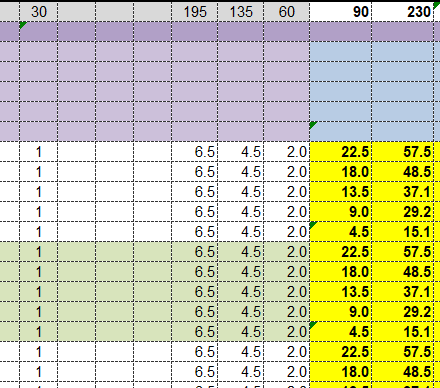
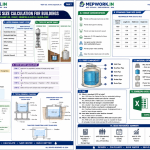
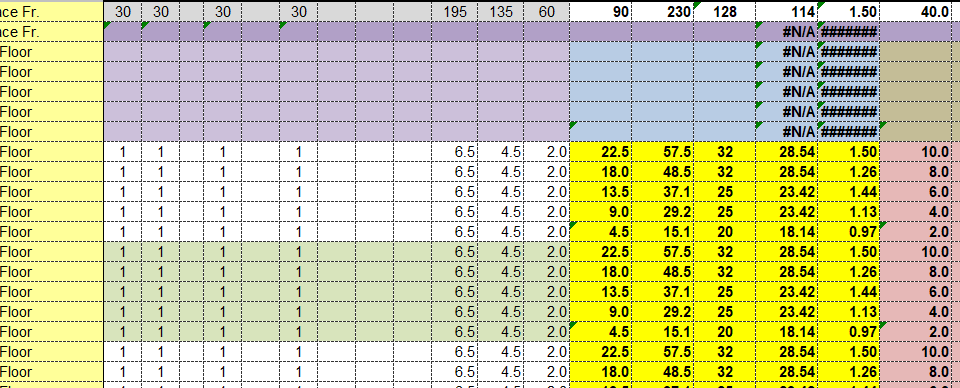
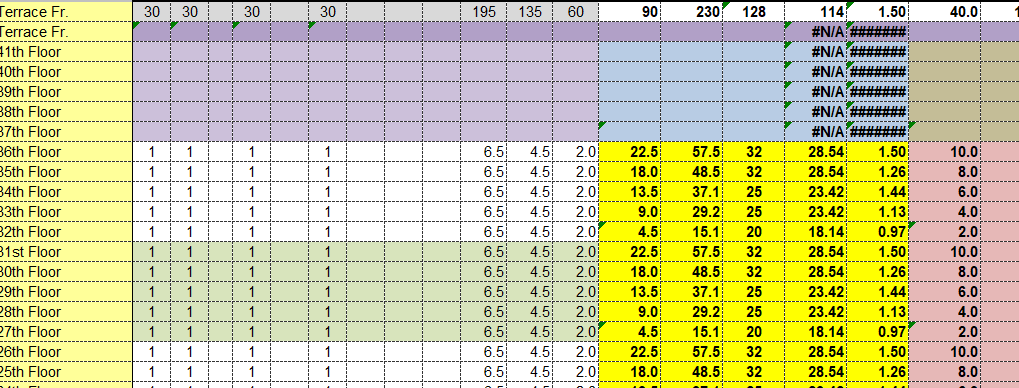
Download the Plumbing Pipe Size Calculation Excel Sheet for free and calculate water supply and drainage pipe sizes instantly. This ready-to-use Excel tool is designed as per standard plumbing practices and helps engineers, contractors, and students perform accurate pipe sizing calculations quickly.

Free Plumbing Pipe Size Excel Sheet (Instant Download) 1.28 MB 311 downloads
🚰 Introduction Proper pipe sizing is critical for efficient water flow, pressure...Plumbing Pipe Size Calculation Excel Sheet (Free Download)
Plumbing pipe sizes are an important factor in water supply and drainage system design. Selecting the correct pipe diameter ensures proper water flow, pressure balance, and system efficiency.
Pipe sizes are determined based on several factors including:
- water demand
- fixture units
- pipe material
- flow velocity
In building plumbing systems, pipe sizing must follow recognized standards such as:
- IS 1172
- IS 2065
- National Building Code of India
These codes provide guidance for plumbing system design and pipe sizing.
Standard Plumbing Pipe Sizes
Different pipe diameters are used depending on the application.
Typical plumbing pipe sizes used in buildings include:
| Pipe Size | Diameter (mm) | Application |
|---|---|---|
| 15 mm | ½ inch | Basin, small fixtures |
| 20 mm | ¾ inch | Residential supply lines |
| 25 mm | 1 inch | Main water supply |
| 32 mm | 1¼ inch | Distribution lines |
| 40 mm | 1½ inch | Plumbing risers |
| 50 mm | 2 inch | Drainage lines |
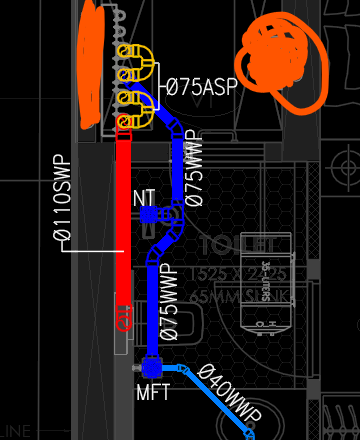
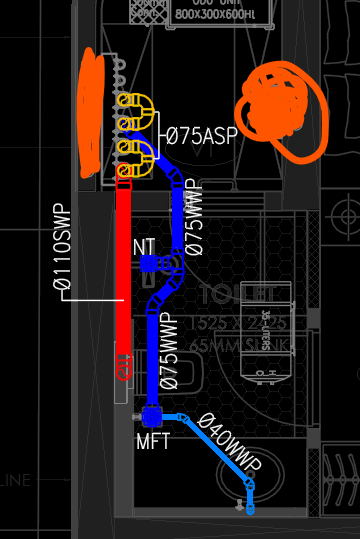
| 75 mm | 3 inch | Soil pipes |
| 110 mm | 4 inch | Main drainage pipes |
These pipe sizes are commonly used in residential plumbing systems.
Plumbing Pipe Sizes in mm
Pipe sizes are often specified in millimeters (mm) in engineering drawings.
Common plumbing pipe sizes in mm include:
| Nominal Size | Pipe Diameter |
|---|---|
| 15 mm | Small water supply |
| 20 mm | Kitchen and bathroom supply |
| 25 mm | Building distribution |
| 32 mm | Water riser |
| 40 mm | Waste water pipe |
| 50 mm | Drain pipe |
Engineers typically select pipe diameter based on water demand and flow requirements.
Plumbing Pipe Size Chart
A plumbing pipe size chart helps engineers and plumbers choose the correct pipe diameter for different fixtures.
Example pipe sizing for residential plumbing:
| Fixture | Recommended Pipe Size |
|---|---|
| Wash Basin | 15 mm |
| Kitchen Sink | 20 mm |
| Shower | 20 mm |
| Water Heater | 20 mm |
| Main Water Line | 25 mm |
Using the correct pipe size ensures proper pressure and water distribution.
PVC Pipe Sizes Used in Plumbing
PVC pipes are widely used in plumbing systems because of their durability and corrosion resistance.
Typical PVC pipe sizes include:
| PVC Pipe Size | Use |
|---|---|
| 20 mm | Small plumbing lines |
| 25 mm | Residential supply |
| 32 mm | Water distribution |
| 40 mm | Waste water |
| 50 mm | Drainage |
| 75 mm | Soil pipe |
| 110 mm | Main sewer line |
PVC pipes are lightweight, cost-effective, and easy to install.
Types of Plumbing Pipes Used in Buildings
Several types of pipes are used in plumbing systems.
PVC Pipes
Commonly used for drainage and water supply.
CPVC Pipes
Used for hot and cold water supply.
UPVC Pipes
Used for drainage and waste water systems.
Copper Pipes
Used in premium plumbing systems.
PPR Pipes
Used for modern plumbing installations.
Pipe material selection depends on temperature, pressure, and building design requirements.
How to Choose the Correct Plumbing Pipe Size
Selecting the correct pipe diameter requires understanding several factors.
Water Demand
More fixtures require larger pipe sizes.
Pipe Length
Longer pipe runs require larger diameter pipes.
Pressure Requirements
Higher water pressure may allow smaller pipe sizes.
Plumbing Fixtures
Each fixture requires specific flow rates.
Proper pipe sizing ensures efficient plumbing system performance.
Example Plumbing Pipe Size Calculation
Example building demand:
5 bathrooms
2 kitchens
1 washing machine
Estimated main pipe size:
25 mm water supply pipe
Branch pipes:
20 mm distribution pipe
Fixture pipes:
15 mm supply lines
This arrangement ensures adequate water supply to all fixtures.
Advantages of Proper Pipe Sizing
Correct plumbing pipe sizing provides several benefits.
- Improved water pressure
- Reduced pipe noise
- Lower energy consumption
- Efficient water distribution
- Longer system lifespan
Poor pipe sizing can cause low pressure and system inefficiency.
FAQ – Plumbing Pipe Sizes
What size pipe is used for house plumbing?
Most residential plumbing systems use 15 mm to 25 mm pipes for water supply and 75 mm to 110 mm pipes for drainage.
What size pipe is used for bathroom plumbing?
Bathroom plumbing typically uses 20 mm pipes for supply lines and 40–50 mm pipes for drainage.
What size pipe is used for kitchen plumbing?
Kitchen plumbing usually uses 20 mm supply pipes and 50 mm drainage pipes.
What is the standard plumbing pipe size?
Standard plumbing pipe sizes range from 15 mm to 110 mm, depending on the application.
📢 Why Download from MEPWORK?
- Free DWG files
- Ready-to-use drawings
- Designed for engineers
- Updated as per industry standards
MEPWORK.IN is developed by an MEP engineering professional with hands-on experience in building services design and execution.
The platform is created to solve real-world engineering problems and provide practical tools for faster and more accurate project work.
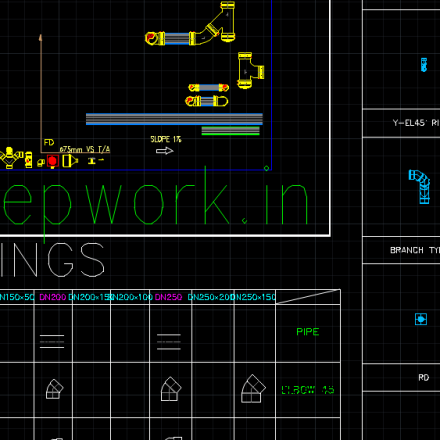
Download free AutoCAD DWG files for MEP engineers including plumbing, HVAC, fire alarm, and electrical systems.
All drawings are ready to use and based on industry standards.
All resources are regularly updated as per latest standards (NBC 2016, IS Codes, NFPA, and 2026 industry practices).