







Smoke Detector Spacing in India (NBC 2016 & IS 2189 Fire Alarm Design Guide)

Learn smoke detector spacing guidelines in India based on NBC 2016 and IS 2189 standards. Understand detector coverage area, ceiling height adjustments, and fire alarm design rules.
Introduction
Smoke detectors are one of the most important components of a fire alarm system. Proper placement and spacing of detectors ensure early fire detection and timely warning to occupants.
In India, smoke detector installation and spacing are generally designed according to the National Building Code of India and IS 2189.
These standards provide guidelines for detector spacing, coverage area, installation height, and system design requirements for buildings.
Proper adherence to these codes ensures reliable fire detection and compliance with fire safety regulations.
Smoke Detector Spacing in Indian Standards
According to practical design practices followed in India, smoke detectors are commonly spaced at approximately 7 meters interval.
Typical values used by fire protection engineers:
| Parameter | Value |
|---|---|
| Detector spacing | 7 meters |
| Coverage area | ≈49 m² |
| Detector location | Ceiling mounted |
This conservative spacing ensures adequate coverage and improved fire detection performance in buildings.
Many consultants adopt the 7 m spacing rule even when international standards allow larger spacing.

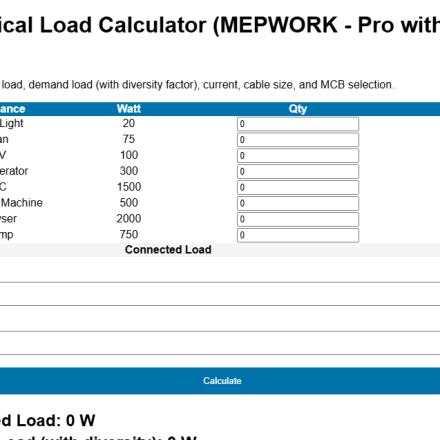
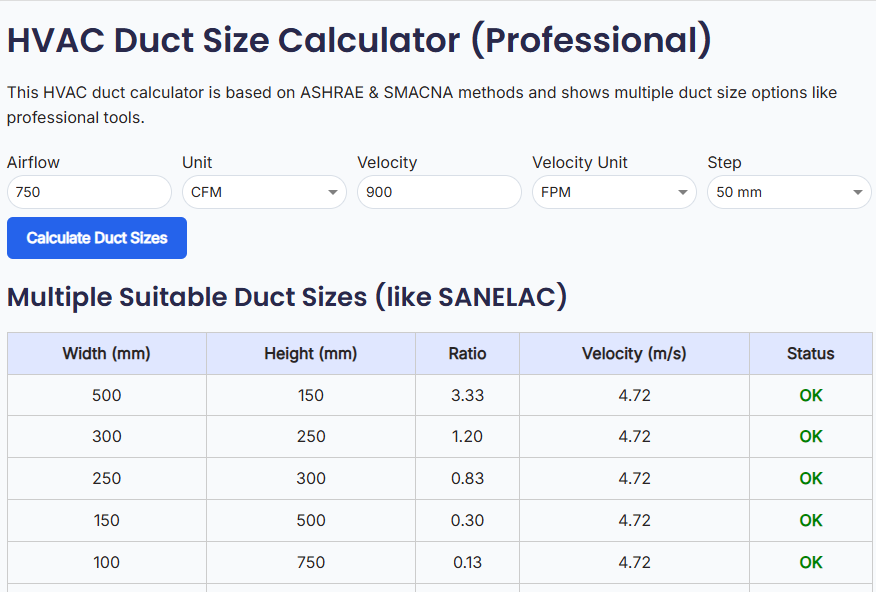
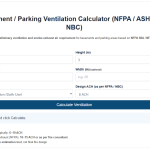
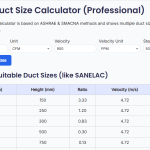
Smoke Detector Coverage Calculator
Smoke Detector Coverage Area
Coverage area refers to the maximum area that a single detector can effectively monitor.
Using the typical spacing of 7 meters, the coverage area is calculated as:
Coverage Area = Spacing × Spacing
Example:
7 m × 7 m = 49 m²
Therefore, one smoke detector can cover approximately 49 square meters in a standard ceiling environment.
This value may change depending on ceiling height and room conditions.
Effect of Ceiling Height on Detector Spacing
Ceiling height plays an important role in smoke detector performance. As ceiling height increases, smoke may take longer to reach the detector.
Typical engineering adjustments are:
| Ceiling Height | Recommended Spacing | Coverage |
|---|---|---|
| ≤3 m | 7 m | 49 m² |
| 3–6 m | 6 m | 36 m² |
6 m | 5 m | 25 m² |
Higher ceilings generally require closer detector spacing to maintain effective fire detection.
Smoke Detector Installation Guidelines
Proper installation is essential for reliable fire detection.
Ceiling Installation
Smoke detectors should be installed on the ceiling at the center of the coverage area.
Distance from Walls
Detectors should be placed at least:
500 mm away from walls
to avoid dead air spaces.
Avoid Airflow Areas
Detectors should not be installed near:
- air conditioning vents
- exhaust fans
- open windows
Airflow may prevent smoke from reaching the detector.
Fire Alarm System Design According to Indian Codes
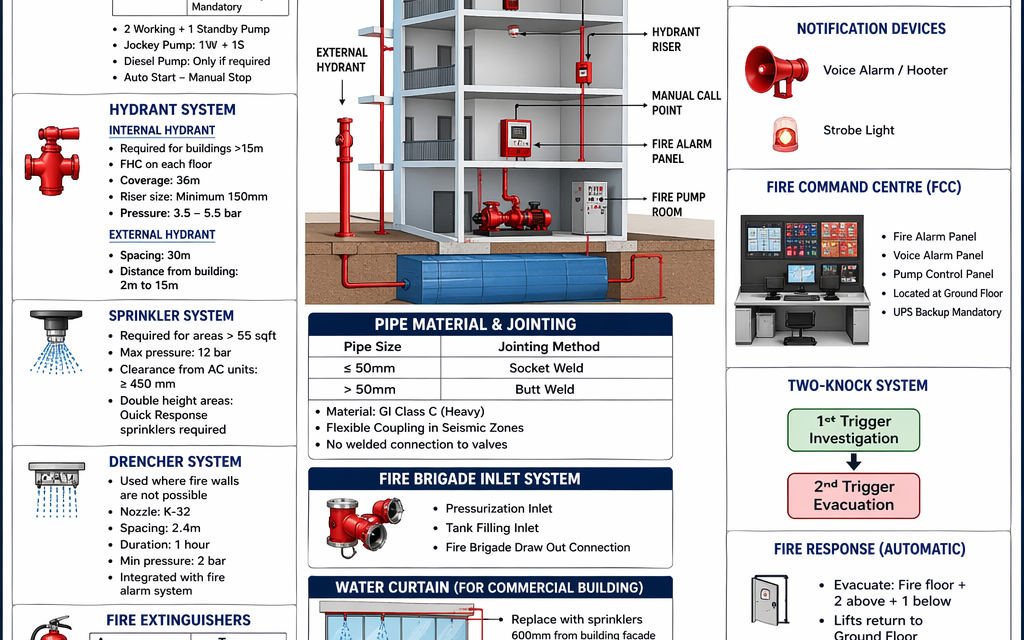
Fire alarm systems in India are designed following several standards.
Important standards include:
- National Building Code of India
- IS 2189
- National Fire Protection Association
While international standards like NFPA allow larger spacing, Indian engineers often use conservative spacing values for better safety margins.
These codes also specify:
- detector types
- wiring methods
- control panel requirements
- testing procedures
Practical Example of Detector Calculation
Room size:
Length = 20 m
Width = 15 m
Area calculation:
Area = 20 × 15 = 300 m²
Using coverage area:
49 m² per detector
Required detectors:
300 / 49 ≈ 6.12
Rounded value:
7 smoke detectors required
This ensures complete room coverage.

Best Practices for Fire Alarm Detector Layout
Fire protection engineers follow these design principles:
✔ Maintain proper detector spacing
✔ Avoid installing detectors near HVAC airflow
✔ Ensure detectors are easily accessible for maintenance
✔ Follow approved fire safety standards
✔ Perform periodic testing and inspection
These practices help ensure reliable fire alarm system performance.
Advantages of Proper Detector Spacing
Correct detector spacing provides several benefits:
- Early fire detection
- Improved life safety
- Reduced false alarms
- Better system reliability
- Compliance with fire safety regulations
Proper fire alarm design significantly improves building safety.
Conclusion
Smoke detector spacing is a critical aspect of fire alarm system design. In India, fire alarm systems are commonly designed according to NBC 2016 and IS 2189 standards.Many consultants use a practical spacing of approximately 7 meters between detectors, which provides reliable coverage of around 49 square meters per detector.Adjustments must also be made based on ceiling height and room conditions to ensure effective fire detection.By following recognized standards and proper installation practices, engineers can design fire alarm systems that provide reliable protection and compliance with safety regulations.
FAQ
What is smoke detector spacing in India?
In many Indian projects, smoke detectors are typically spaced about 7 meters apart, covering approximately 49 square meters.
Which standard is used for fire alarm systems in India?
Fire alarm systems are commonly designed according to IS 2189 and the National Building Code of India 2016.
What is the coverage area of a smoke detector?
A typical smoke detector can cover approximately 49 m² when spaced at 7 meters.
Why does ceiling height affect detector spacing?
Higher ceilings delay smoke reaching the detector, requiring closer spacing to maintain effective fire detection.
📢 Why Download from MEPWORK?
- Free DWG files
- Ready-to-use drawings
- Designed for engineers
- Updated as per industry standards
MEPWORK.IN is developed by an MEP engineering professional with hands-on experience in building services design and execution.
The platform is created to solve real-world engineering problems and provide practical tools for faster and more accurate project work.
Download free AutoCAD DWG files for MEP engineers including plumbing, HVAC, fire alarm, and electrical systems.
All drawings are ready to use and based on industry standards.
All resources are regularly updated as per latest standards (NBC 2016, IS Codes, NFPA, and 2026 industry practices).