



Fire Alarm System Installation Guide (Cost, Design, Wiring & Codes)

Learn how to install a Fire Alarm System Installation step-by-step including wiring, design principles, installation cost, and standards like NFPA and NBC. Complete guide for engineers and contractors.
What is Fire Alarm System Installation?
Fire alarm system installation is the process of installing detectors, control panels, alarm devices, and wiring to detect fire and alert occupants in a building.
A properly installed fire alarm system helps:
- Detect fire at an early stage
- Alert occupants through alarms
- Activate fire protection systems
- Improve building safety compliance
Modern systems integrate smoke detectors, heat detectors, and manual call points connected to a central Fire Alarm Control Panel (FACP).
Fire alarm systems are widely used in residential buildings, commercial complexes, hospitals, shopping malls, and industrial facilities.
Components of a Fire Alarm System
A typical fire alarm system consists of several devices that work together.
Fire Alarm Control Panel (FACP)
The control panel is the brain of the system. It receives signals from detectors and activates alarms.
Smoke Detectors
Smoke detectors detect smoke particles produced by fire.
Types include:
- Photoelectric detectors
- Ionization detectors
- Multi-sensor detectors
Heat Detectors
Heat detectors activate when temperature exceeds a predefined limit.
These are commonly installed in:
- kitchens
- boiler rooms
- industrial areas
Manual Call Points
Manual call points allow occupants to trigger the alarm manually during emergencies.
Sounders and Strobes
These devices provide audible and visual alerts to notify building occupants.
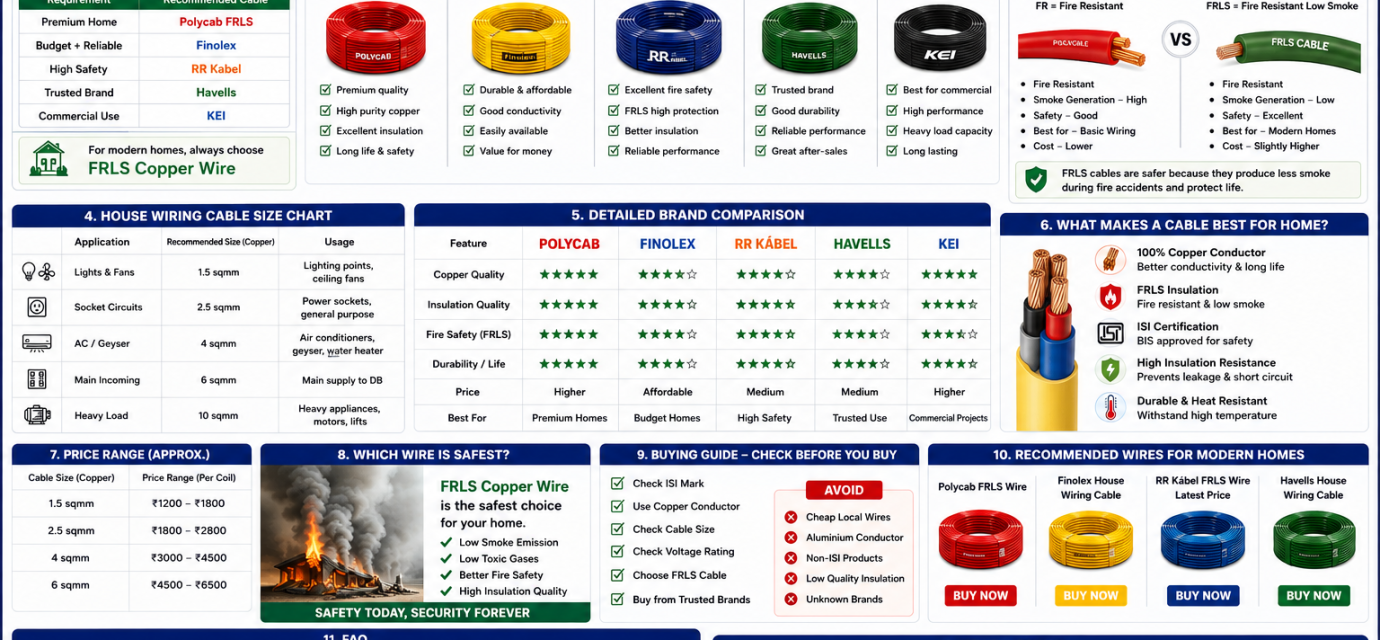
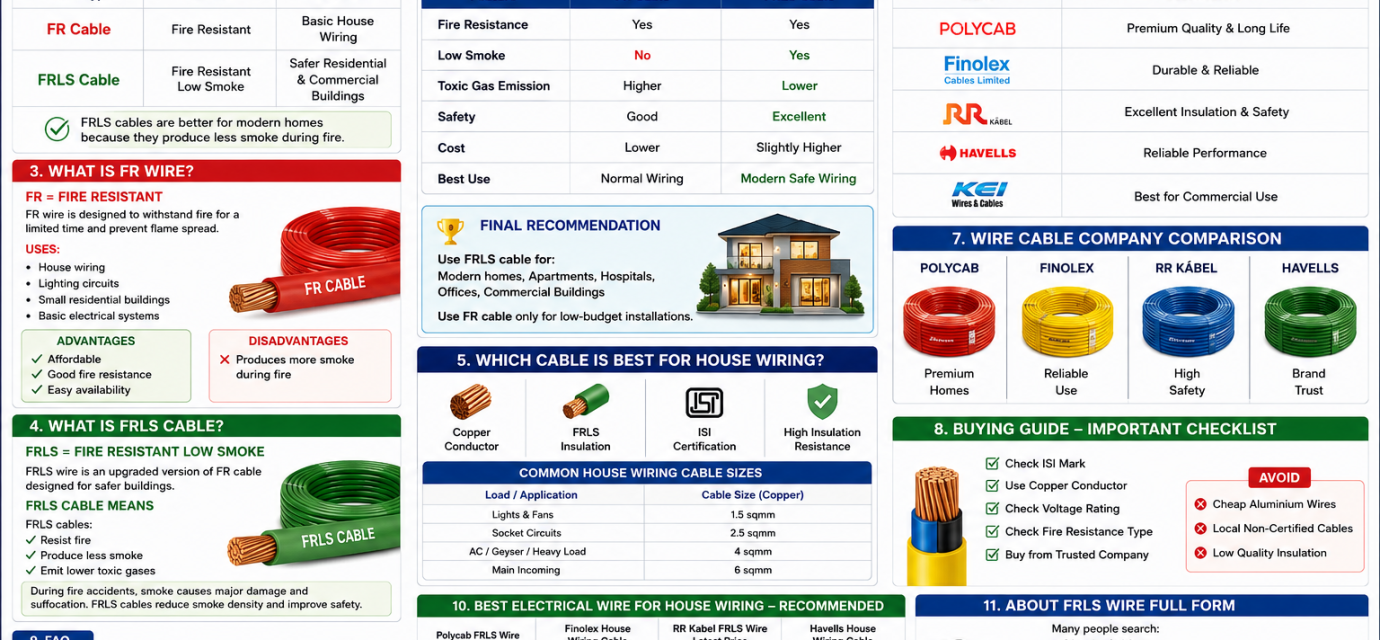
Fire Alarm Wiring
Fire alarm cables connect detectors and devices to the control panel.
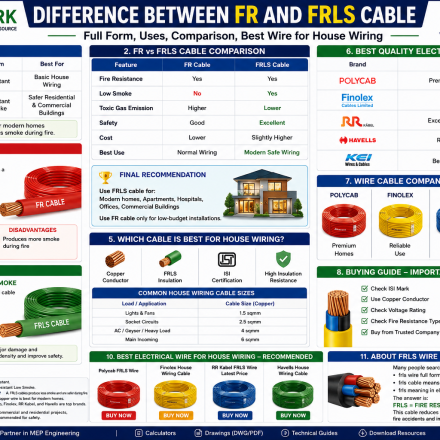
Fire resistant cables are typically used for safety.
Types of Fire Alarm Systems
Fire alarm systems are classified into several types.
Conventional Fire Alarm System
Devices are connected in zones. When a fire occurs, the system indicates the affected zone.
Addressable Fire Alarm System
Each detector has a unique address. This allows precise identification of the fire location.
Wireless Fire Alarm System
Wireless detectors communicate through radio signals without extensive wiring.
Addressable systems are commonly used in large commercial buildings.
Fire Alarm System Installation Process
Installing a fire alarm system requires careful planning and engineering design.
Step 1: Fire Risk Assessment
Engineers first analyze the building layout and fire risks.
Factors considered include:
- building occupancy
- fire hazards
- evacuation routes
Step 2: System Design
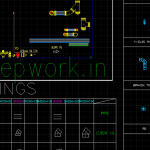
Engineers prepare fire alarm layout drawings showing:
- detector locations
- manual call points
- control panels
- alarm devices
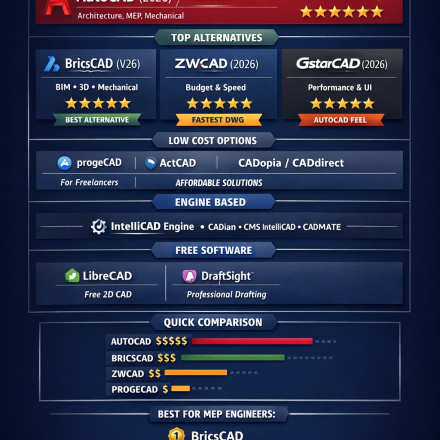
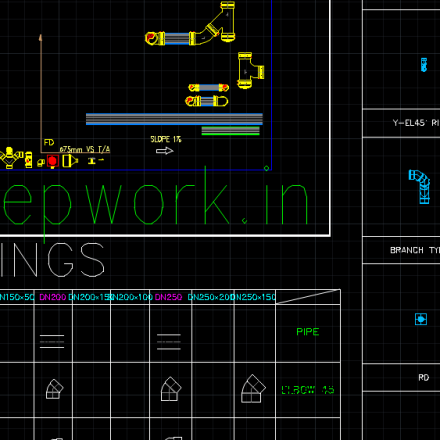
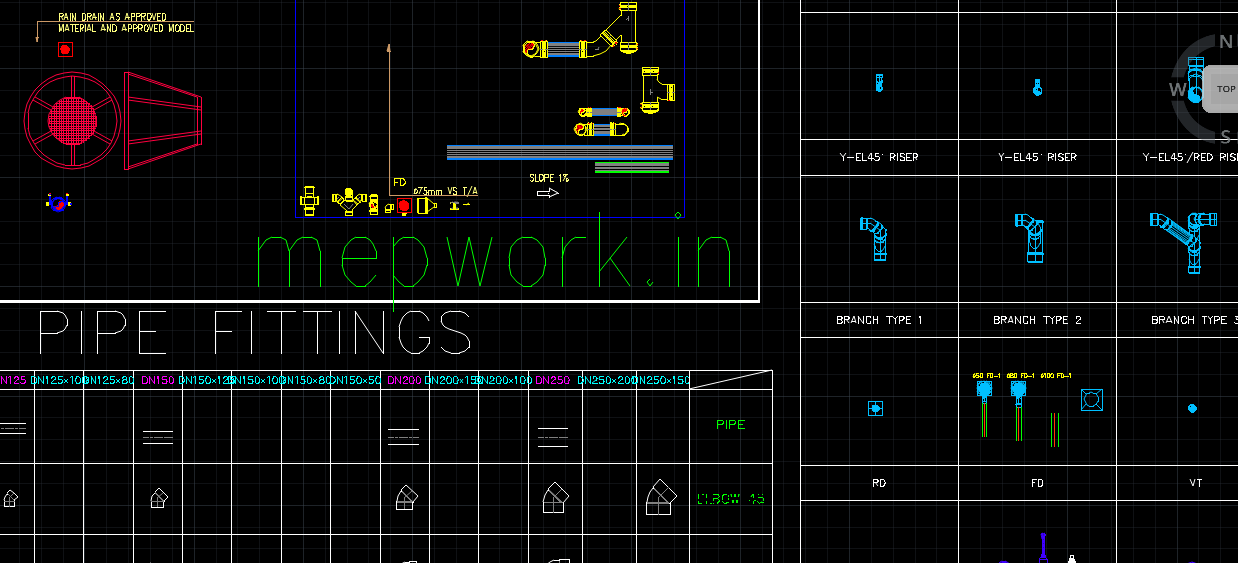
Design is typically done using AutoCAD.
Step 3: Cable Installation
Fire alarm cables are installed through conduits or cable trays.
Common cables used:
- FRLS cable
- Fire survival cable
- shielded twisted pair cable
Step 4: Device Installation
Devices are installed according to standard spacing rules.
Typical installation heights:
| Device | Installation Height |
|---|---|
| Smoke detector | Ceiling |
| Manual call point | 1.4 m |
| Alarm sounder | 2.1 m |
Step 5: System Testing
After installation, engineers test the system for:
- detector response
- alarm activation
- panel communication
Testing ensures proper system functionality.
Fire Alarm System Installation Cost
The cost of fire alarm installation depends on several factors.
Major Cost Factors
- building size
- number of detectors
- system type (conventional or addressable)
- wiring length
- installation labor
Typical cost ranges:
| Building Type | Approx Cost |
|---|---|
| Small building | $1,000 – $5,000 |
| Commercial building | $10,000 – $50,000 |
| Large facility | $50,000+ |
Addressable systems are generally more expensive but provide better monitoring.
Fire Alarm Installation Standards and Codes
Fire alarm systems must comply with international and national standards.
Important standards include:
- National Fire Protection Association
- National Building Code of India
- International Electrotechnical Commission
For example:
- NFPA 72 – Fire Alarm Code
- NBC 2016 – Fire and Life Safety
These codes define installation requirements, detector spacing, and system testing procedures.
Best Practices for Fire Alarm System Installation
To ensure reliable operation, engineers should follow these practices.
✔ Install detectors at proper spacing
✔ Use fire resistant cables
✔ Avoid placing detectors near air vents
✔ Perform regular maintenance and testing
✔ Follow approved fire safety codes
These practices improve system reliability and safety.
FAQ – Fire Alarm System Installation
What is the cost of fire alarm system installation?
The installation cost depends on building size and system type, typically ranging from $1,000 to $50,000 or more.
How long does it take to install a fire alarm system?
Installation may take from a few hours for small buildings to several days for large commercial facilities.
Which code governs fire alarm installation?
Fire alarm systems are designed according to standards such as NFPA 72 and national building codes.
What is the difference between conventional and addressable fire alarm systems?
Conventional systems detect fire by zones, while addressable systems identify the exact device location.
📢 Why Download from MEPWORK?
- Free DWG files
- Ready-to-use drawings
- Designed for engineers
- Updated as per industry standards
MEPWORK.IN is developed by an MEP engineering professional with hands-on experience in building services design and execution.
The platform is created to solve real-world engineering problems and provide practical tools for faster and more accurate project work.
Download free AutoCAD DWG files for MEP engineers including plumbing, HVAC, fire alarm, and electrical systems.
All drawings are ready to use and based on industry standards.
All resources are regularly updated as per latest standards (NBC 2016, IS Codes, NFPA, and 2026 industry practices).